Scentroid

WHITE PAPER:

AIRBORNE MERCURY MONITORING

Section 1:

THE CHALLENGE OF MERCURY MONITORING

Mercury (Hg) is one of the most persistent and toxic heavy metals released into the air. It comes from coal combustion, non-ferrous metal smelting, cement production, chlor-alkali plants, artisanal and small-scale gold mining, and legacy contaminated sites. Even trace concentrations of airborne mercury carry real health and environmental risks.

The problem is that the places that most need mercury air monitoring are often the hardest to reach. Flare stacks, tailings ponds, smelter stacks, remediation zones and active mining faces are usually hazardous, elevated or simply out of reach for field crews.

Most airborne mercury monitoring today relies on fixed ambient stations or manual sampling campaigns. Both put people close to the source, and both add a delay between collecting a sample and getting lab results back, which can slow down important decisions.

Scentroid closes this gap with a two-stage workflow that keeps people and analytical equipment out of the hazard zone. The DR2000 drone-based air sampler flies into the source area and pulls ambient air through a dedicated filter, capturing airborne mercury on the filter media. When the drone lands, the filter is analyzed on the ground with Scentroid’s Airborne Metal Analyzer using X-ray fluorescence (XRF). The result is a fast, non-destructive mercury reading tied to the exact GPS location, altitude and time the sample was taken.

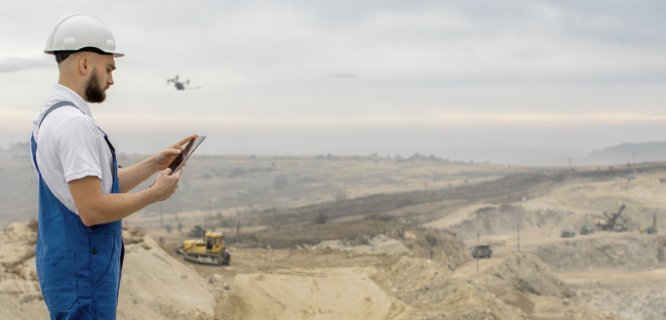
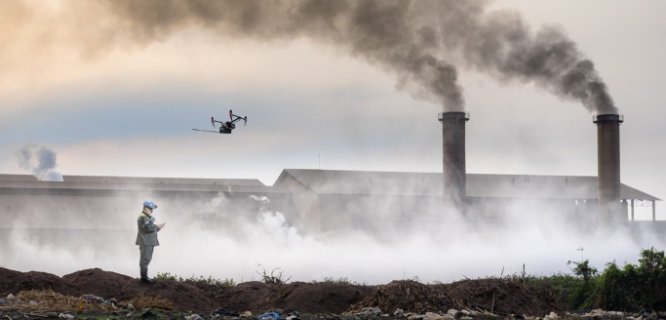
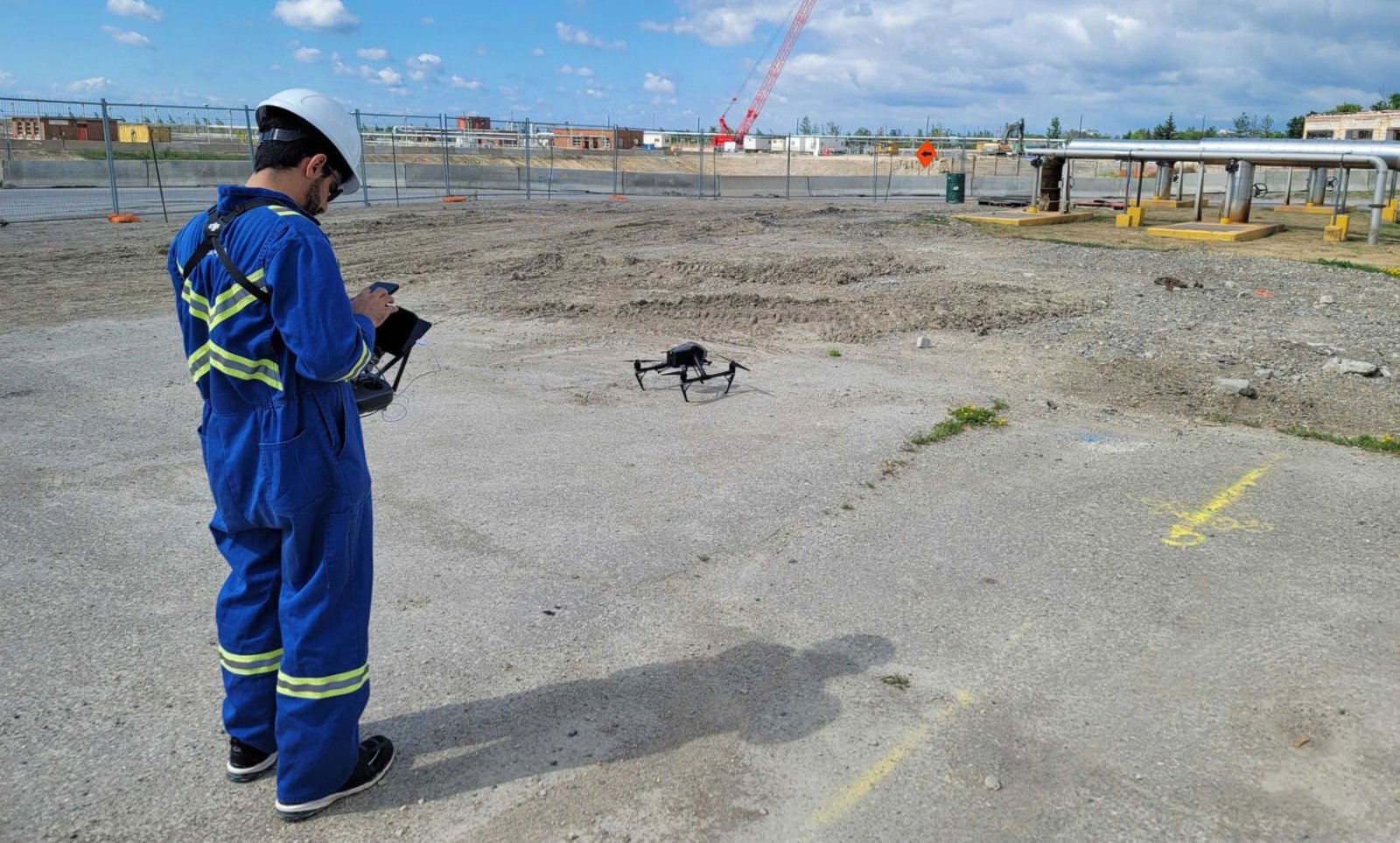
Scentroid operator launching a DR2000 drone for airborne mercury sampling at an industrial site
A Scentroid operator launches a DR2000 equipped drone at an active industrial site from a safe standoff distance.
Section 2:

HOW DRONE-BASED MERCURY SAMPLING WORKS

Airborne sampling with ground-based XRF analysis. The DR2000 collects the sample in the air and the analyzer does the measurement on the ground.

The DR2000 Airborne Sampling Platform

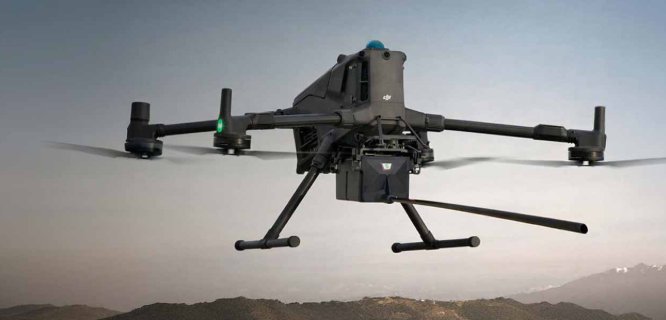
The Scentroid DR2000 Flying Lab is a self-contained, lightweight payload (520 to 640 g) that mounts to a wide range of commercial drones. It does not draw power from the drone’s battery or use its communication systems, so the drone is simply the vehicle.

A patented sampling design draws only undisturbed ambient air into the inlet, which avoids contamination from propeller downwash. The DR2000 can sample up to 150 metres vertically or horizontally from the operator, reaching confined or elevated areas ground crews can’t. Its fast-charge battery supports up to three hours of continuous operation.

The platform is flexible. It can carry its full set of gas and particulate sensors alongside the mercury sampling filter, or run as a dedicated sampling-only unit when the job just needs a clean air sample.

Filter-Based Mercury Capture

A dedicated filter sits at the DR2000’s sample inlet. As the onboard pump pulls ambient air across it, during flight or while hovering at a set point, airborne mercury is captured directly on the filter media.

Because the sample is collected in the air, the drone can fly straight into a flare plume, a stack path or a contaminated area that would otherwise put a technician at risk. Every sample point is automatically stamped with GPS position, altitude, time, date, temperature and relative humidity.

Ground-Based XRF Analysis

When the drone returns, the filter cartridge is removed and read on the Scentroid Airborne Metal Analyzer. Mercury has a distinct XRF signature, so the analyzer can identify and quantify it directly, along with other metals like lead, arsenic, cadmium, chromium, manganese and nickel if needed. Results come back in minutes with no off-site lab turnaround.

Since the analyzer stays on the ground, it never adds weight, power draw or vibration to the flight.

Section 3:

THE FLIGHT TO DATA WORKFLOW

From flight plan to mercury hotspot map, a typical DR2000 mercury survey follows six steps.

  1. Plan the flight path and sampling points in the DRIMS2 ground station software.
  2. Launch and fly to the target zone, up to 150 m vertically or across long horizontal transects.
  3. The onboard pump draws air through the inlet filter to capture mercury. Other onboard sensors can log gas and particulate data at the same time, or the flight can be dedicated to sampling.
  4. Every sample point is geotagged with GPS position, altitude, temperature and relative humidity, and streamed live over encrypted LoRa radio to the 9 inch ground station tablet.
  5. After landing, the filter is read on the Scentroid Airborne Metal Analyzer to measure mercury concentration.
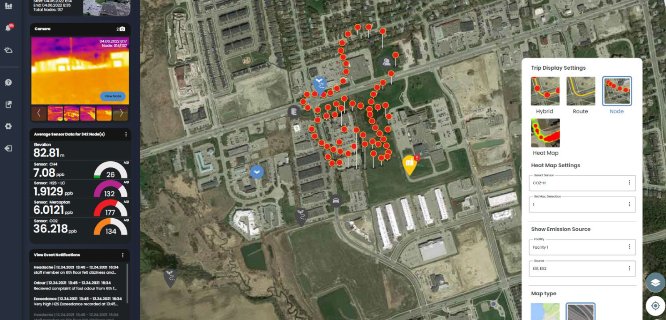
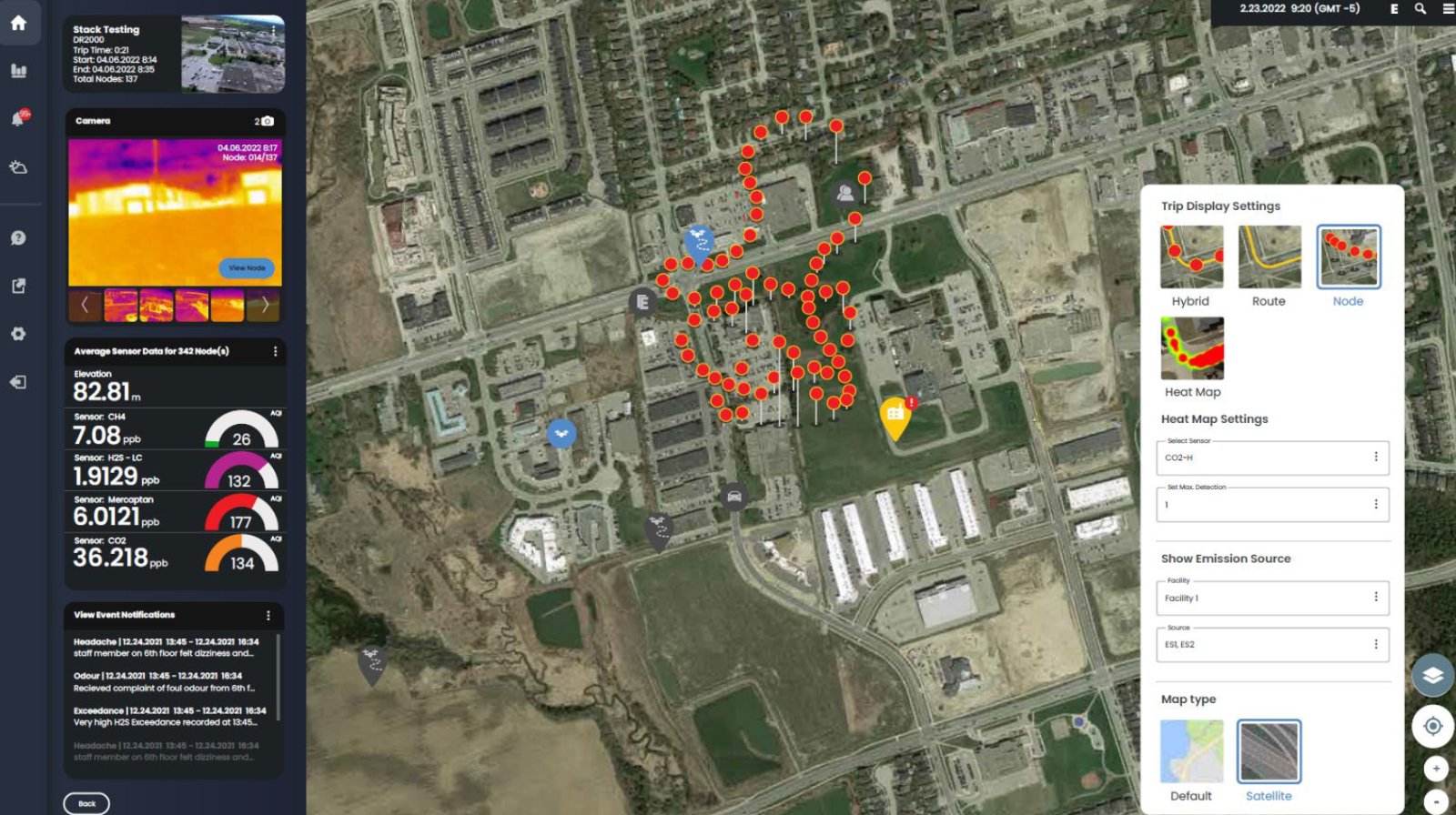
  6. Analyzer results are matched to the geotagged flight data and reviewed as a hotspot map in SIMS3, on site or remotely through the secure cloud portal.
SIMS3 hotspot map showing geotagged DR2000 drone sampling points over an industrial site
SIMS3 view of a DR2000 flight.
Section 4:

GROUND-BASED XRF MERCURY ANALYSIS

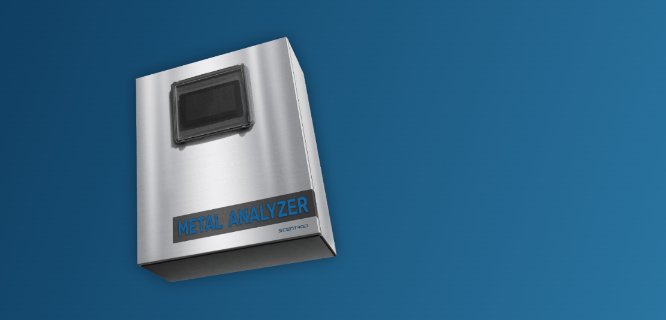
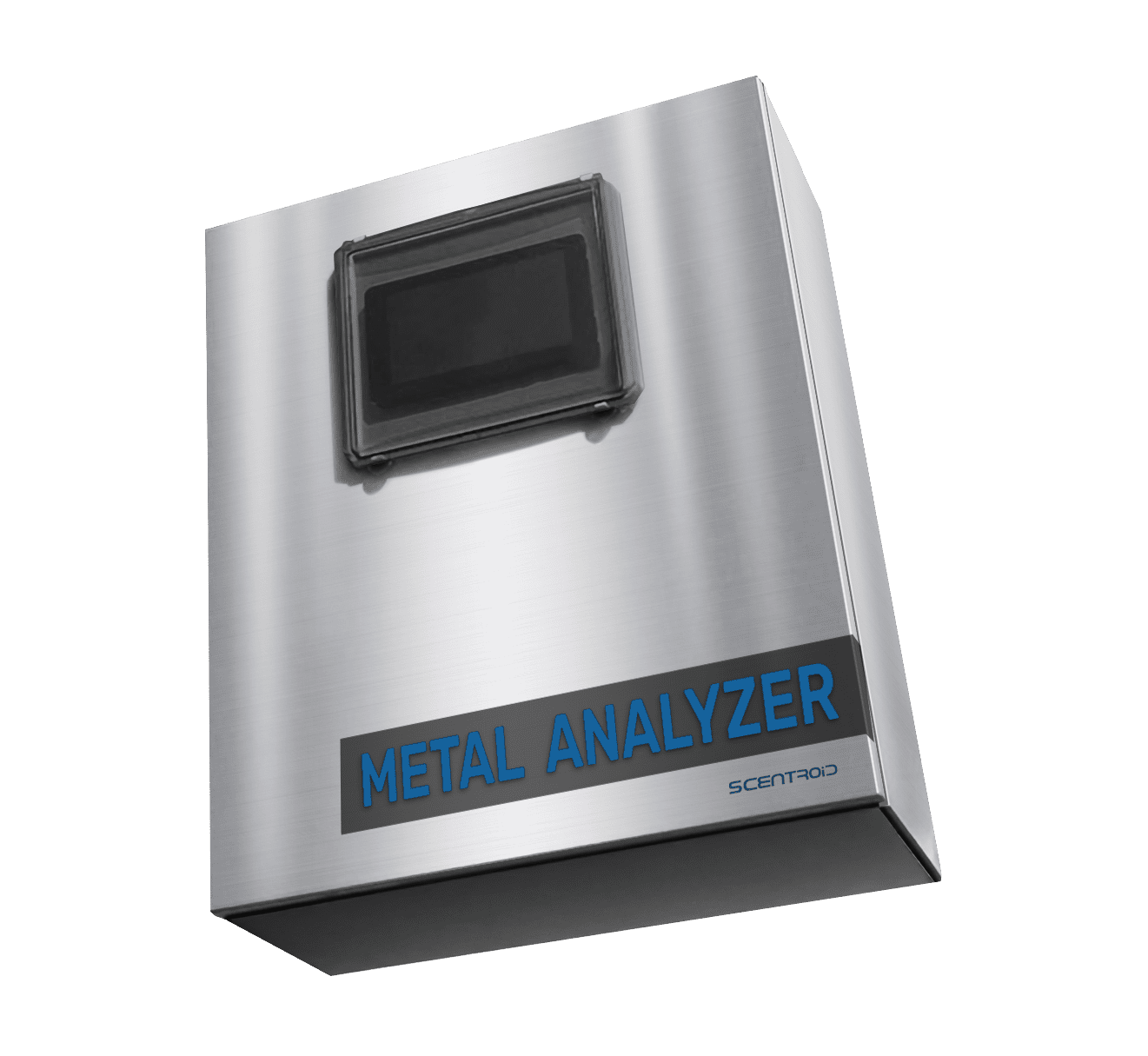
The second half of the workflow happens entirely on the ground. Scentroid’s Airborne Metal Analyzer, the same XRF platform used for continuous ambient metal monitoring, is the analytical endpoint for every DR2000 flight.

In standard installations the analyzer pulls its own air sample through a port, collects it on a membrane filter and reads that filter with an onboard XRF sensor. With the DR2000, the same XRF measurement engine reads the filter the drone brings back. That turns an airborne sample into a quantified mercury result without ever putting the analyzer in the air.

airborne-metal-analyzer-hero

How XRF Measures Mercury on a Filter

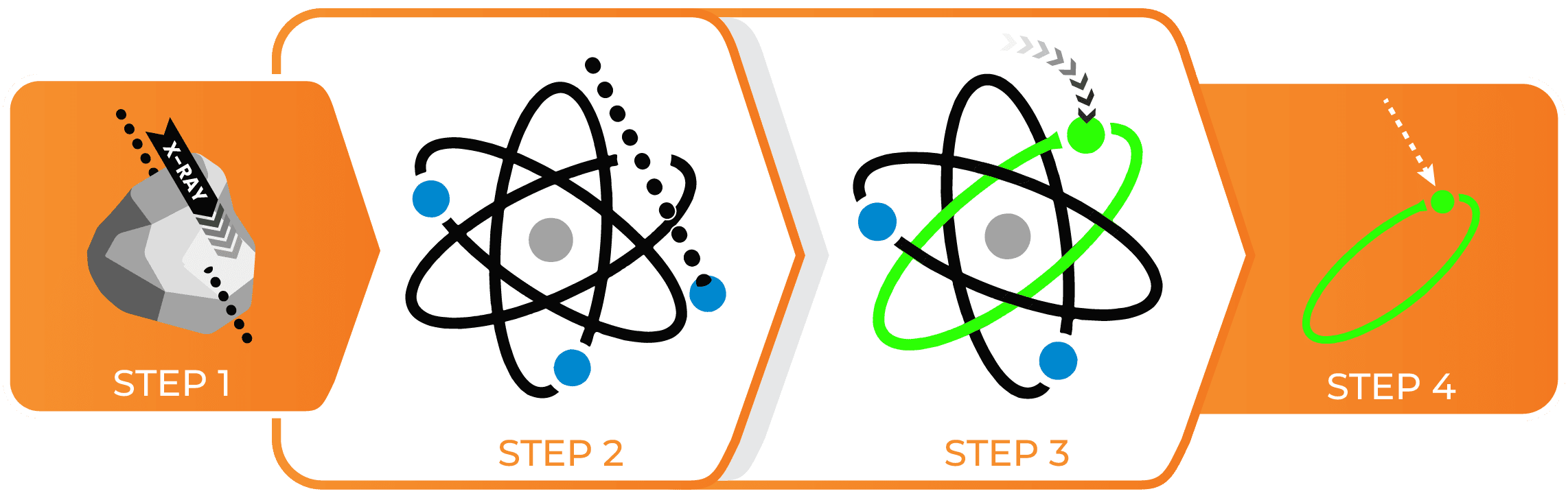
X-ray fluorescence is a non-destructive technique already proven across Scentroid’s lead and metal analyzer line. Results are typically ready about seven minutes after loading a sample.

  • Step 1, X-ray excitation: high-energy X-rays are directed at the filter.
  • Step 2, electron displacement: the X-rays knock inner electrons out of the atoms in the sample.
  • Step 3, energy emission: outer electrons drop in to fill the gaps and release energy as X-ray fluorescence.
  • Step 4, element identification: each element gives off a unique energy, so the instrument can identify and measure mercury and other metals present.
Four step diagram of X-ray fluorescence (XRF) showing excitation, electron displacement, energy emission and element identification

Key Analyzer Capabilities

  • Fast results: concentrations are typically available about 7 minutes after loading a sample.
  • Multi-metal: set up for mercury, with the option to measure up to 30 other elements such as lead, arsenic, cadmium, chromium, manganese and nickel.
  • Autocalibration: built-in autocalibration and daily sensor health checks cut down on manual maintenance.
  • Touchscreen display: results show on the unit and all data flows to SIMS3 for logging, trending and alarms.
  • Low cost per sample: typical sampling and analysis cost is under $2 per sample, compared to sending filters to an off-site lab for methods like NIOSH 7082.
Section 5:

APPLICATIONS FOR AIRBORNE MERCURY MONITORING

Because the DR2000 removes the need to physically enter a hazardous sampling zone, it opens up mercury monitoring at sites that used to be impractical, slow or unsafe to survey on foot.

  • Mining and smelting operations, including tailings ponds and stack emissions
  • Oil and gas facilities: flare stacks, tank farms and pipeline corridors
  • Coal-fired power plants and other industrial combustion stacks
  • Contaminated sites, landfills and active remediation projects
  • Artisanal and small-scale gold mining (ASGM) regions
  • Emergency response and spill or release assessment
  • Regulatory compliance and fenceline or perimeter monitoring programs
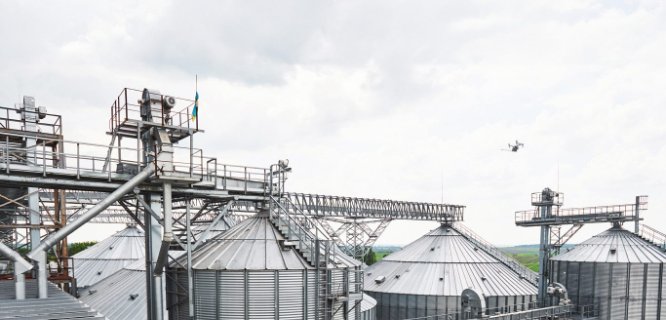
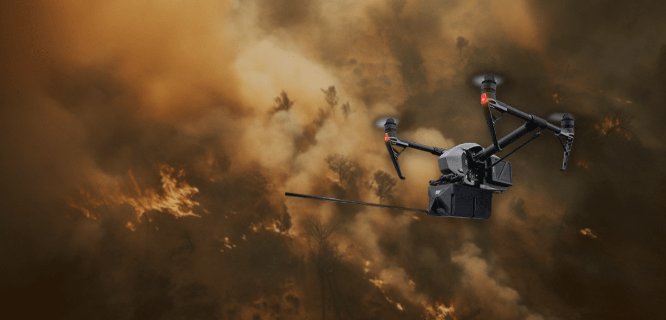
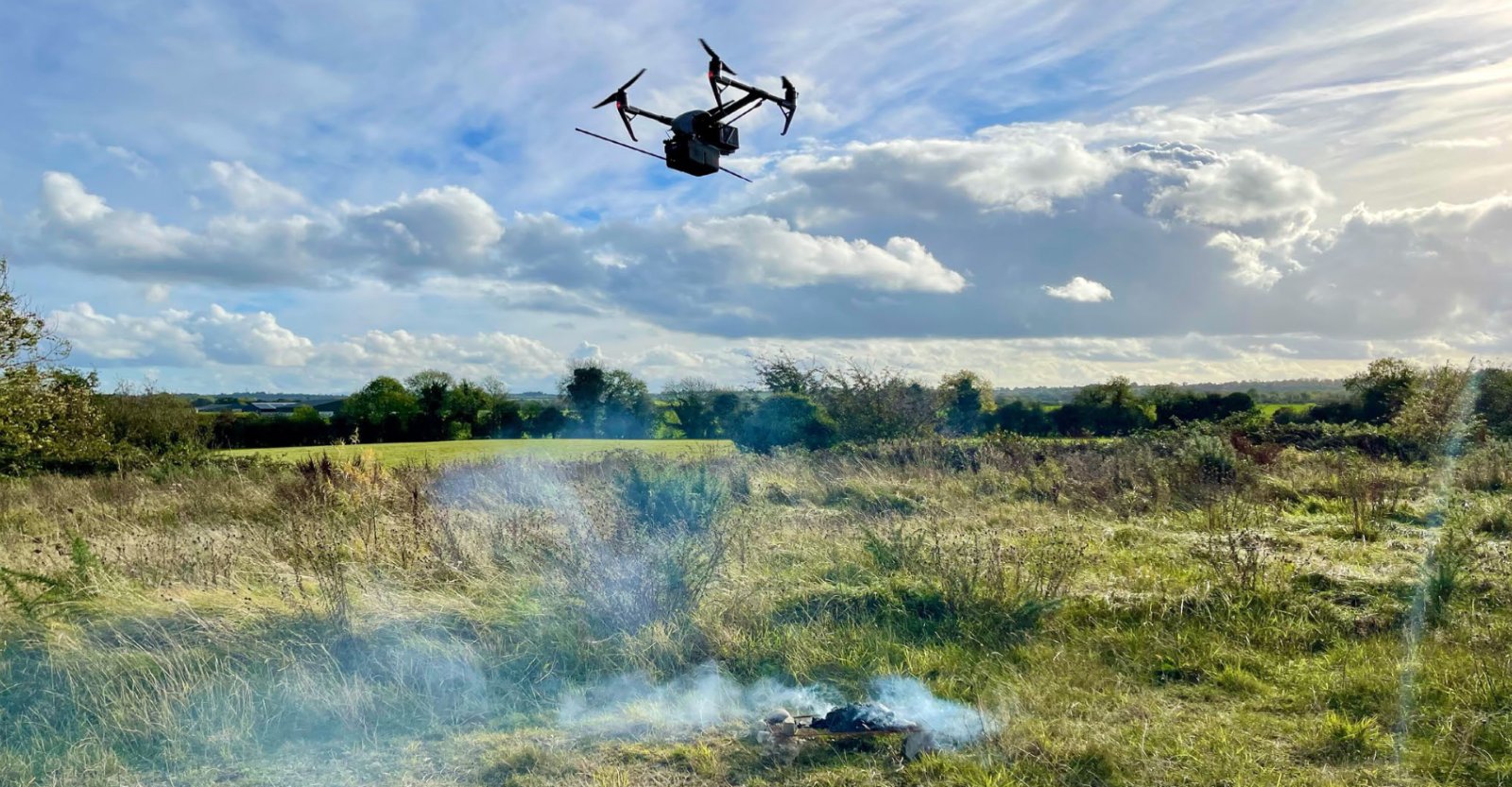
DR2000 drone sampling air above a smoke plume for mercury emissions monitoring
Standoff sampling lets crews collect data near combustion sources, flares and other hazardous plumes.
Section 6:

KEY BENEFITS OF DRONE-BASED MERCURY SAMPLING

  • Operator safety: crews stay a safe distance from hazardous plumes, stacks and contaminated ground.
  • Speed: the XRF analyzer gives a mercury reading within minutes of landing, with no lab wait.
  • Access: vertical reach up to 150 m and long horizontal transects that ground equipment can’t cover.
  • Flexible payload: run the mercury filter alongside gas and particulate sensors, or use the DR2000 for sampling only.
  • Defensible data: every filter is tied to GPS, altitude and time stamps from the flight.
  • Cost savings: a single flight can replace a multi-day, multi-person ground survey.
  • Data management: heat maps, historical trends and multi-drone fleet oversight in Scentroid’s cloud software.
Section 7:

TECHNICAL SPECIFICATIONS

DR2000 Mercury Sampling Specifications

CategorySpecification
Payload weight520 to 640 g (self-contained, excludes drone)
Payload size230 x 108 x 103 mm
Sampling reachUp to 150 m vertical or horizontal from operator
Probe length44 cm or 88 cm (switchable)
Flight enduranceUp to 3 hours per charge (fast-charge battery), drone dependent
Sampling rateApprox. 1 reading per second across onboard sensors
Mercury sample captureDedicated filter at the sample inlet, onboard pump draws air across it in flight or at hover
Mercury analysisPost-flight on the ground with the Scentroid Airborne Metal Analyzer, Hg plus up to 30 other elements
Concurrent sensingRuns alongside DR2000 gas and PM sensors, or as a sampling-only setup
On-board storage16 GB SD card, on-board server included
CommunicationsEncrypted LoRa to ground station, GSM or Wi-Fi for cloud sync
Ground station9 inch tablet with DRIMS2 software and high-gain antenna
Data taggingGPS, altitude, time and date, temperature and RH on every sample
Operating range5 to 40°C, 10 to 90% RH
CalibrationAuto-zero before each flight, full calibration recommended annually
Warranty24 months, full coverage including sensors

Airborne Metal Analyzer Specifications

CategorySpecification
Primary targetMercury (Hg), other elements optional
Measurement methodX-ray fluorescence (XRF), non-destructive
Sample typeAirborne (continuous) or threshold (batch)
Analysis timeAbout 7 minutes per sample
Detection limit0.89 µg/m³ (1 hour sampling, standard lead reference configuration)
Power110 to 240V, 2.5A
WeightApprox. 20 kg
Dimensions460 x 400 x 590 mm
On-board storage64 GB
CommunicationsWi-Fi, MODBUS
SoftwareSIMS3 data logging, trends, alarms and remote management
CalibrationAutocalibration option, daily sensor health checks
Warranty24 months, full coverage including sensors

Published detection limits reference the analyzer’s standard lead configuration. Contact Scentroid to confirm limits for the mercury configuration.

What’s Included

  • DR2000 drone-based air sampler with mercury capture inlet filter
  • Scentroid Airborne Metal Analyzer for mercury and multi-metal analysis
  • Ground station receiver and 9 inch tablet with software
  • Air sampling probe, charge adapter and zeroing filter
  • Replacement filter cartridges and safety mounting hardware
  • Option to add more air quality sensors

The drone is not included. Scentroid can make a custom mounting plate for almost any drone that can carry the payload. Just share the make and model when ordering.

Section 8:

CONCLUSION

Airborne mercury monitoring has always meant a trade-off between good data and crew safety. Pairing the DR2000 with ground-based XRF analysis removes that trade-off. The drone collects the sample where people can’t safely go, and the analyzer turns it into a geotagged mercury result in minutes, without sending filters to a lab.

Scentroid designs and manufactures its instruments to ISO 9001:2015 quality standards and backs every DR2000 with a 24-month full warranty, including sensors. Customers also get access to a trained service network and global support for the life of the equipment.

Download the full Airborne Mercury Monitoring white paper (PDF) or learn more about the DR2000 Flying Lab and the Airborne Metal Analyzer.

Section 9:

FREQUENTLY ASKED QUESTIONS

Can a drone measure mercury in the air?

Yes. The Scentroid DR2000 mounts on a commercial drone and pulls ambient air through a filter that captures airborne mercury. The filter is then analyzed on the ground with an XRF analyzer to measure mercury concentration.

How does XRF measure mercury on a filter?

X-ray fluorescence directs high-energy X-rays at the filter. Each element in the sample gives off X-rays at its own energy, so the analyzer can identify mercury and measure how much is there. The method is non-destructive.

How fast are mercury results available?

Results are typically ready about 7 minutes after the filter is loaded into the Airborne Metal Analyzer, so there is no off-site lab wait.

How high and far can the DR2000 sample?

The DR2000 can sample up to 150 metres vertically or horizontally from the operator, with up to 3 hours of operation per charge depending on the drone.

What drones work with the DR2000?

The DR2000 is a 520 to 640 g self-contained payload that fits a wide range of commercial drones. Scentroid can make a custom mounting plate for almost any drone that can carry it. The drone itself is not included.

Can it measure other metals besides mercury?

Yes. Along with mercury, the analyzer can measure up to 30 other elements including lead, arsenic, cadmium, chromium, manganese and nickel.

Where is drone-based mercury monitoring used?

Common uses include mining and smelting sites, tailings ponds, oil and gas flare stacks, coal-fired power plants, contaminated and remediation sites, gold mining regions, emergency response and fenceline monitoring.