
Urban Threat Detection
Intelligent Chemical Security for the Modern City
Urban environments face an increasing risk from both intentional and accidental chemical releases. Industrial infrastructure, when compromised, can rapidly transform into large-scale toxic hazards. Scentroid’s Urban Threat Detection platform provides real-time intelligence, enabling cities to detect, analyze, and respond to chemical and radiological threats with precision and speed.
When infrastructure becomes a weapon
Conventional attacks on industrial facilities such as refineries, water treatment plants, and storage depots can instantly convert existing chemical inventories into large-scale toxic releases. These events create complex and rapidly evolving hazards that traditional monitoring systems are not designed to handle.
Industrial assets become unintended chemical weapons
No real-time intelligence for coordinated response
Rapid release of toxic and lethal gases
First Responder Risk
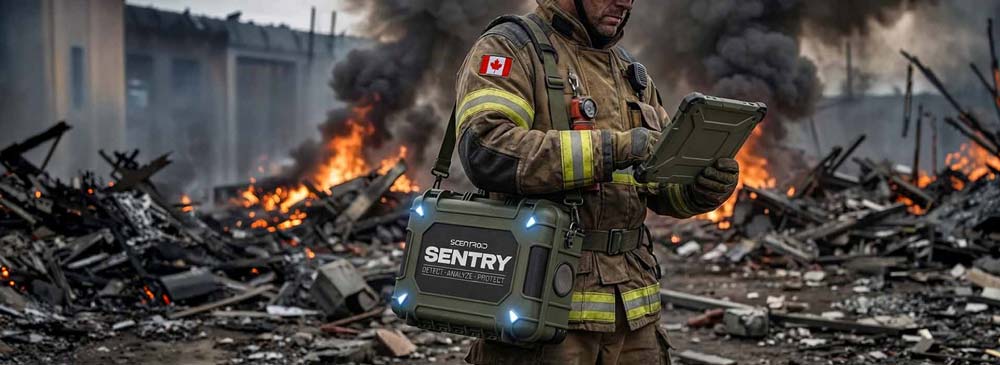
Standard gas detectors used by fire and police services are designed for occupational exposure and minor leaks, not large-scale disaster environments. This creates significant risk in high-concentration, mixed-contaminant scenarios.
Public Risk

Conventional air quality stations monitor common pollutants but cannot identify or forecast lethal chemical dispersion. Real-time impact modeling is required for evacuation and shelter decisions.
CHEMICAL THREATS IN URBAN ENVIRONMENTS
Urban disasters can release a wide range of hazardous compounds depending on the facility type. These include both industrial chemicals and chemical warfare agents.
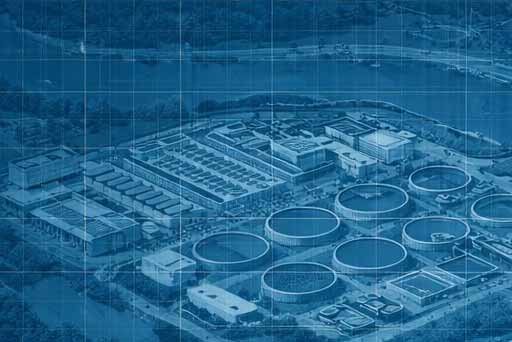
Chlorine (Cl₂), Ammonia (NH₃)
Water Treatment Plants:
Accidental or deliberate releases of chlorine and ammonia from water treatment facilities can rapidly create dense, toxic plumes, posing immediate respiratory and corrosion hazards to surrounding urban populations.
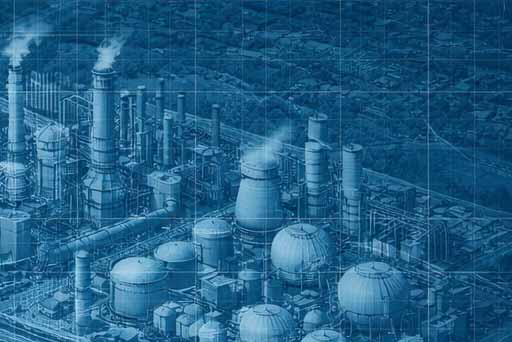
Chlorine (Cl₂), Ammonia (NH₃):
Semiconductor Facilities:
Semiconductor manufacturing sites store highly toxic gases such as arsine and phosphine, where a release can introduce lethal blood and nerve agents into the environment even at extremely low concentrations.

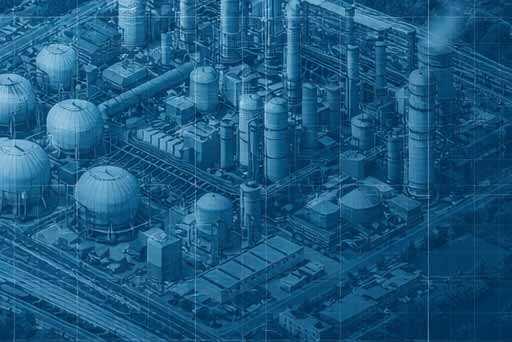
Hydrogen Cyanide (HCN), Phosgene (COCl₂)
Petrochemical Operations: These can release hydrogen cyanide and phosgene during catastrophic events, generating fast-acting choking + blood agents that can incapacitate exposed populations within minutes.

Hydrogen Sulphide (H₂S), Hydrogen Fluoride (HF), Benzene:
Refineries: Incidents can emit a complex mixture of hydrogen sulphide, hydrogen fluoride, and benzene, combining acute toxicity with long-term risks.
Operating in Toxic fallout: KEY HAZARDS
First responders entering a disaster zone face a complex mixture of combustion byproducts and hazardous gases that can cause immediate incapacitation and long-term health effects.
Ammonia (NH₃)
A strong irritant gas that affects the eyes, skin, and respiratory system, potentially leading to chemical burns and airway obstruction.
Arsine (AsH₃)
A highly toxic hemolytic agent that destroys red blood cells, leading to rapid kidney failure and potential fatality at small concentrations.
Broadband VOCs / Jet Fuel / Agents
Volatile organic compounds contribute to acute toxicity and flammability hazards, with many acting as precursors to secondary pollutants and oxygen displacement in confined areas.
Carbon Dioxide (CO₂)
Elevated concentrations can cause respiratory distress and acidosis, while also displacing oxygen in poorly ventilated environments.
Carbon Monoxide (CO)
A colorless, odorless gas that binds to hemoglobin, reducing oxygen transport and leading to hypoxia and loss of consciousness.
Chlorine (Cl₂)
A corrosive gas that reacts with moisture in the respiratory tract, causing severe irritation, tissue damage, and impaired breathing.
Gamma Radiation
High-energy radiation that penetrates tissue, causing cellular damage, acute radiation syndrome, and long-term cancer risk.
Hydrogen Chloride (HCl)
A corrosive acid gas that forms hydrochloric acid upon contact with moisture, damaging respiratory tissue and mucous membranes.
Hydrogen Cyanide (HCN)
A fast-acting blood agent that inhibits cellular respiration, preventing oxygen utilization and causing rapid systemic collapse.
Hydrogen Fluoride (HF)
A highly corrosive compound that penetrates tissue deeply, causing systemic toxicity and severe damage to lungs and bones.
Hydrogen Sulfide (H₂S)
A toxic gas that inhibits cellular respiration and can cause rapid loss of consciousness and respiratory paralysis at high concentrations.
Methane (CH₄)
A flammable gas that poses explosion risks and can displace oxygen, creating asphyxiation hazards in enclosed areas.
Mustard Gas
A blister agent that causes severe chemical burns to skin and lungs, with delayed symptoms and long-term tissue damage.
Nitrogen Dioxide (NO₂)
A toxic oxidizing gas that penetrates deep into the lungs, causing inflammation and delayed-onset pulmonary injury.
Oxygen (O₂)
Displacement or depletion of oxygen in contaminated environments can lead to asphyxiation and impaired cognitive function.
Particulate Matter (PM1–PM10)
Fine particles penetrate deep into the lungs, causing inflammation, reduced lung function, and increased cardiovascular stress.
Phosgene (COCl₂)
A delayed-action choking agent that damages lung tissue, leading to pulmonary edema and respiratory failure hours after exposure.
Sarin
A volatile nerve agent that disrupts the nervous system, causing rapid onset of convulsions, respiratory failure, and death.
Soman
A fast-acting nerve agent with strong enzyme binding, resulting in rapid neurological impairment and high lethality.
Sulfur Dioxide (SO₂)
A respiratory irritant that causes bronchoconstriction and inflammation, particularly dangerous for individuals with pre-existing conditions.
VX
A highly persistent nerve agent that inhibits acetylcholinesterase, leading to uncontrolled muscle contractions, paralysis, and death.
The Scentroid Solution
From Chaos to Coordinated Response
Scentroid’s Urban Threat Detection platform transforms complex disaster scenarios into structured, data-driven operations through a fully integrated CBRNE ecosystem.

1. Detect and Localize
Continuously analyzes data from distributed sensors to instantly detect abnormal events and accurately pinpoint the source within the urban environment.

2. Dispatch Response Teams
Provides real-time situational awareness to command centers, enabling rapid and informed deployment of first responders and specialized Hazmat units.

3. Identify Threats
Utilizes advanced sensor arrays and analytical methods to accurately characterize released compounds, distinguishing between industrial chemicals and chemical warfare agents.

4. Model Dispersion
Applies real-time meteorological data to generate dynamic dispersion models, predicting plume movement, concentration levels, and affected areas as conditions evolve.

5. Actionable Intelligence
Consolidates all data into standardized, easy-to-interpret reports, supporting immediate decision-making for evacuations, containment strategies, and public safety measures.
TIER 1
Continuous Urban Defense Grid
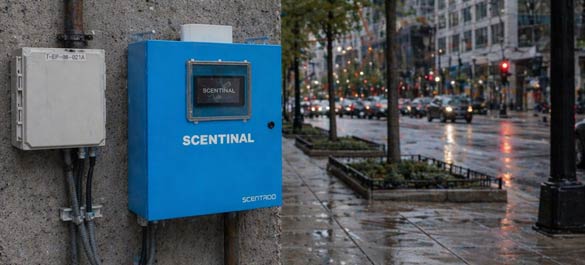
Tier 1 establishes a city-wide sensor network providing continuous baseline monitoring and immediate anomaly detection.
Continuously monitors environmental conditions across the network, using AI to maintain real-time awareness and detect emerging threats as they develop.
The Scentroid SL50 and CTair support a high-density sensor configuration, enabling simultaneous monitoring of a wide range of chemical, environmental, and radiological parameters within a single unit.
Provides continuous measurement of key air quality indicators including NOx, SOx, ozone, and particulate matter to establish baseline conditions and detect deviations.
Configured to identify high-risk industrial and toxic compounds such as hydrogen cyanide, phosgene, and arsine, enabling early detection of hazardous releases.
Integrated radiation sensing capabilities allow for real-time detection of abnormal radiological activity, enhancing situational awareness during complex threat scenarios.
Designed for flexible deployment with support for solar, battery, and grid power, alongside multiple communication protocols for reliable data transmission in any environment.
Tier 2
Sentry: Field Deployable Chemical Intelligence
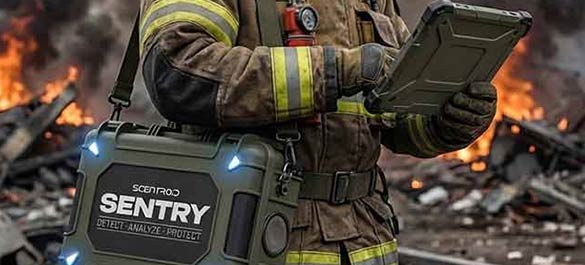
Tier 2 introduces mobile detection systems used by first responders and Hazmat teams for detailed chemical analysis and plume mapping.
Supports a comprehensive multi-sensor array, enabling simultaneous detection of a broad spectrum of chemical and radiological threats within a single field-deployable unit.
Incorporates advanced sensing technologies, including thermal fractionation (TF-PID), to accurately detect chemical warfare agents alongside industrial toxic gases and radiological hazards, even in complex environments.
Engineered for extreme conditions, the system operates reliably in harsh environments with full protection against dust, water ingress, and wide temperature ranges.
Continuously transmits encrypted data to centralized platforms, providing command teams with live situational awareness and supporting coordinated response efforts.
Built-in alarm systems provide immediate on-site alerts upon detection, ensuring rapid awareness for both operators and nearby personnel without reliance on external systems.
Designed for operational flexibility, the system can be deployed as a handheld unit, vehicle-mounted platform, or fixed monitoring station depending on mission requirements.
Versatile Deployment Options
First responders entering a disaster zone face a complex mixture of combustion byproducts and hazardous gases that can cause immediate incapacitation and long-term health effects.
TR9+ Sentry
TR9+ Sentry
A portable, multi-sensor chemical and radiological detection system designed for rapid deployment in high-risk environments, providing real-time identification of hazardous compounds directly within the hot zone.
Customized Vehicle
GV1000
A rugged, unmanned ground vehicle equipped with advanced sensing payloads for continuous, ground-level monitoring and rapid plume mapping in dynamic urban environments.
Quadrupedal Mount
GV2000
A robotic deployment platform that enables sensor mobility across complex and hazardous terrain, allowing safe data collection in areas inaccessible or unsafe for personnel.
Drone Based
Drone Based
Aerial monitoring platforms equipped with integrated sensors to capture vertical plume profiles, track dispersion patterns, and assess threats across large or inaccessible areas in real time.
Custom Mounted
Vehicle Mount Solution
A rapid-deployment vehicle integration that transforms standard response units into mobile detection platforms, enabling continuous monitoring and plume mapping during transit.
Urbanscanner
US20 Urbanscanner
A mobile urban monitoring system designed for high-resolution spatial mapping of pollutants and hazardous gases, delivering street-level intelligence across dense city environments.
SL50
Scentinal
Provides high accuracy (ppb level) detection of odorous gases such as H2S, NH3, VOCs, SO2 & odour concentration.
CTair
CTair: Solar Powered with Weather Station
A fully autonomous monitoring system combining air quality sensors with integrated meteorological data, enabling reliable, off-grid operation and enhanced dispersion modeling accuracy.
Scentroid SOFTWARE
SIMS3: AI-DRIVEN
EVENT DETECTION
SIMS3 continuously analyzes incoming data streams from all connected sensors, providing 24/7 oversight of environmental conditions across the entire monitoring network.
Advanced machine learning models establish baseline conditions and automatically flag deviations, identifying potential incidents without the need for manual intervention.
Using network-wide data and meteorological inputs, SIMS3 applies reverse dispersion algorithms to accurately trace detected pollutants back to their origin.
By analyzing spatial and temporal patterns across the sensor network, the system differentiates between isolated local incidents and broader regional pollution events.
Real-time alerting mechanisms immediately notify operators of critical events, enabling rapid response through configurable thresholds and escalation protocols.
SIMS3 generates detailed, customizable reports combining sensor data, event analysis, and dispersion modeling to support compliance, investigation, and decision-making.
Real-Time Impact Mapping
A secondary AI agent utilizes emission data to conduct live dispersion modelling, accurately defining the currently impacted area
Sensitive Receptor Impact Analysis
SIMS3 evaluates predicted pollutant concentrations at key locations such as hospitals, schools, and residential zones, enabling targeted protection of vulnerable populations.
Source Characterization
Live readings from deployed Hazmat teams and mobile units feed into the system, allowing a dedicated AI agent to calculate the precise emission rate at the source
Source Emission Rate Calculation
By combining real-time sensor data with dispersion modeling, SIMS3 dynamically estimates emission rates at the source, providing critical insight into the severity of an incident.
Pattern Detection
The system continuously evaluates patterns across the network to identify irregular behavior, uncovering subtle or emerging events that may not trigger traditional threshold-based alarms.
Targeted Vulnerability Analysis
The system calculates anticipated gas concentrations at all identified sensitive receptors (e.g., hospitals, schools)
24-Hour Dispersion Forecasting
A third AI agent projects future emission rates and plume trajectories, mapping the Total Affected Zone over the next 24 hours
Open Integration Architecture
Built on a device-agnostic framework, SIMS3 seamlessly integrates with third-party sensors, legacy systems, and external data sources, enabling unified monitoring across mixed environments.
Operational Intelligence
This comprehensive data is instantly synthesized into an actionable report, empowering commanders to make immediate, informed operational decisions
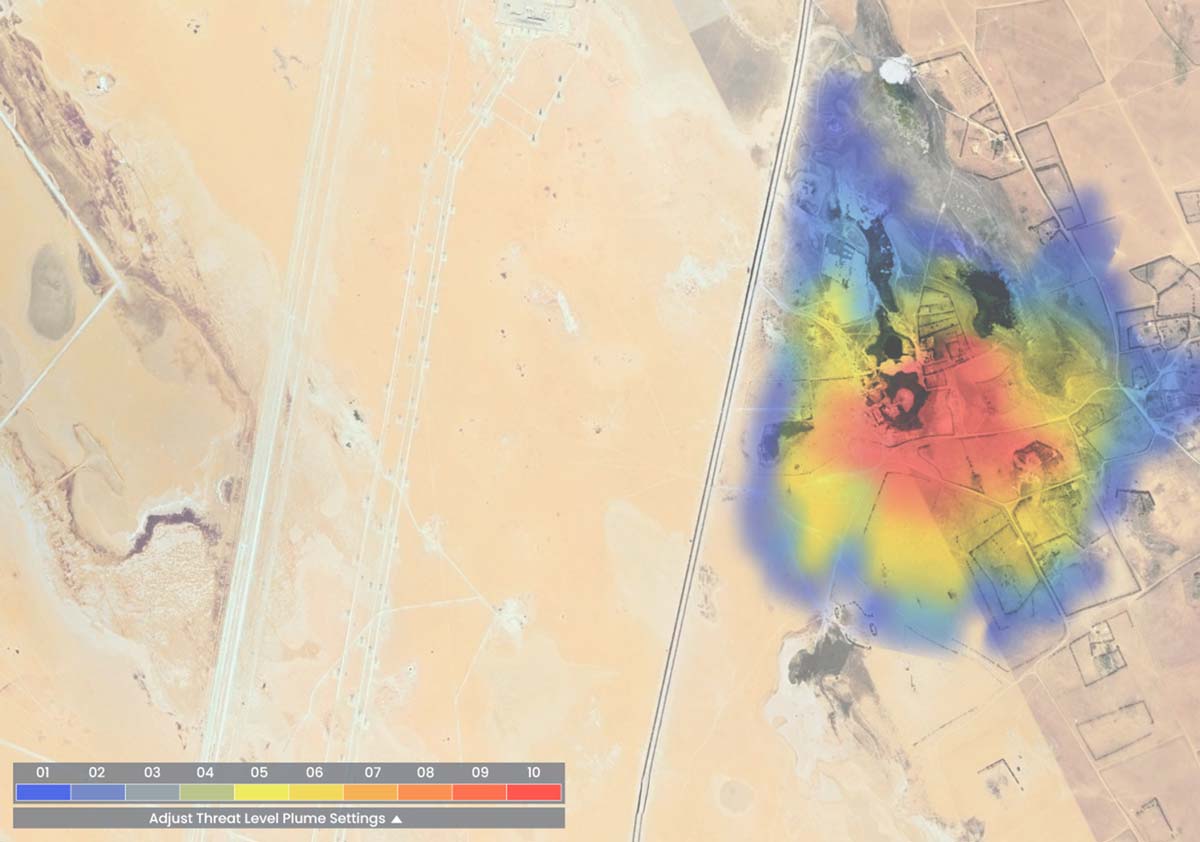
Standardized threat level system
Introducing the Toxicity Scale
The Toxicity Scale establishes standardized operational threat thresholds to drive immediate and appropriate response actions. It combines toxicity concentration for all threats being monitored.
- Levels 0-2 (Safe/Baseline): Normal atmospheric conditions; no operational action required.
- Levels 3-5 (Advisory): Elevated localized pollutants; standard PPE required for field teams, and vulnerable civilians are advised to shelter indoors.
- Levels 6-8 (Critical Warning): Hazardous chemical presence confirmed; initiates immediate shelter-in-place orders and advanced HAZMAT protocols.
- Levels 9-10 (Lethal Threat): Imminent danger to life; triggers mandatory, immediate evacuations and strictly restricts all unequipped personnel.
SENSOR SPECIFICATIONS
Sensor Technology | Target Gas | Hazard | Detection | Range | Resolution |
|---|---|---|---|---|---|
PID (10.6 eV) | Broadband VOCs / Jet Fuel / Agents | General Safety | 1 ppb | 0 - 5000 ppm | 10 ppb |
Electro-Polymer | Arsine (AsH3) | Blood / Semiconductor | 0.02 ppm | 0 – 10 ppm | 0.05 ppm |
Electrochemical | Hydrogen Cyanide (HCN) | Blood | 0.1 ppm | 0 – 100 ppm | 0.5 ppm |
Electrochemical | Phosgene (CoCl2) | Choking | 7 ppb | 0 – 10 ppm | 0.01 ppm |
Electrochemical | Chlorine (Cl2) | Choking | 0.05 ppm | 0 – 200 ppm | 0.1 ppm |
Electrochemical | Hydrogen Fluoride (HF) | Acid | 2 ppb | 0 – 20 ppm | 0.1 ppm |
Electrochemical | Ammonia (NH3) | Corrosive | 0.005 ppm | 0 – 1,000 ppm | 1 ppm |
Electro-Polymer | Hydrogen Sulfide (H2S) | Lethal | 0.01 ppm | 0 – 500 ppm | 0.1 ppm |
Electro-Polymer | Sulfur Dioxide (SO2) | Combustion | 0.01 ppm | 0 – 200 ppm | 0.1 ppm |
Electrochemical | Hydrogen Chloride (HCl) | Acid | 0.5 ppm | 0 – 100 ppm | 0.1 ppm |
Electro-Polymer | Nitrogen Dioxide (NO2) | Combustion | 0.005 ppm | 0 – 50 ppm | 0.1 ppm |
Electro-Polymer | Carbon Monoxide (CO) | Fire Safety | 0.01 ppm | 0 – 2,000 ppm | 1 ppm |
Electrochemical | Oxygen (O2) | Asphyxiation | 0.1% vol | 0 – 30% Vol | 0.1% |
Catalytic / NDIR | LEL | Combustibles / Methane | 100 ppm | 0 – 100% LEL | 1% LEL |
NDIR | Carbon Dioxide (CO2) | Fire Safety | 1 ppm | 0 – 5% Vol | 0.01% |
Laser Particulate | PM1, PM2.5, PM10 | Smoke / Soot | 1 μg/m³ | 0 – 10,000 µg/m³ | 1 µg/m³ |
Scintillator | Gamma Radiation (Scentinal Only) | Radiation | 0.01 mR/h | 0 – 100 mR/h | 0.01 mR/h |
Thermal Fractionation - PID | Mustard Gas (HD) | Blister Agent | 5 ppt (0.005 ppb) | 5 ppt – 5,000 ppb | 1 ppt |
Thermal Fractionation - PID | VX | Nerve Agent | 10 ppt (0.01 ppb) | 10 ppt – 2,000 ppb | 5 ppt |
Thermal Fractionation - PID | Sarin (GB) | Nerve Agent | 50 ppt (0.05 ppb) | 50 ppt – 5,000 ppb | 10 ppt |
Thermal Fractionation - PID | Soman (GD) | Nerve Agent | 50 ppt (0.05 ppb) | 50 ppt – 5,000 ppb | 10 ppt |